Blog Design Trends
Design Trends

The Rise of Biophilic Design in Modern Interiors

Sarah Mitchell

Sarah Mitchell

Senior Interior Designer

January 15, 2025 8 min read
Biophilic design living room with natural elements

A modern living space showcasing biophilic design principles with natural materials, abundant plants, and seamless indoor-outdoor connection. Photo credit: Netway Home Design Studio

In an era where urbanization continues to disconnect us from the natural world, biophilic design emerges as a powerful antidote, bringing the healing essence of nature into our modern living spaces. This revolutionary approach to interior design is transforming how we think about our homes and workplaces.

Understanding Biophilic Design

Biophilic design is more than just adding a few plants to your living room. It's a comprehensive approach that recognizes our innate connection to nature and seeks to satisfy our biological need for natural elements in built environments. The term, derived from biologist E.O. Wilson's "biophilia hypothesis," suggests that humans have an inherent affinity for the natural world.

"The goal of biophilic design is to create good habitat for people as a biological species in the modern built environment." - Stephen Kellert, Yale University

This design philosophy encompasses three core categories: direct nature connection (actual contact with nature), indirect nature connection (representations of nature), and spatial configuration (mimicking natural spatial arrangements).

Key elements of biophilic design

Essential biophilic design elements: natural materials, water features, living plants, and organic forms working in harmony.

The Science Behind Biophilic Design

Research consistently demonstrates the profound impact of biophilic design on human well-being. Studies show that exposure to natural elements can:

  • Reduce stress hormones by up to 50% within just 20 minutes
  • Improve cognitive function and creativity by 15%
  • Enhance air quality and reduce indoor pollutants
  • Lower blood pressure and heart rate
  • Boost immune system function
  • Improve sleep quality and circadian rhythm regulation

Dr. Roger Ulrich's groundbreaking research at Texas A&M University found that hospital patients with views of nature recovered faster and required less pain medication than those facing brick walls. This research has sparked a revolution in healthcare design and is now influencing residential and commercial spaces worldwide.

Psychological Benefits

The psychological benefits of biophilic design extend beyond stress reduction. Natural elements in our environment can enhance focus, reduce mental fatigue, and promote emotional well-being. The Japanese practice of "shinrin-yoku" or forest bathing has inspired designers to create spaces that provide similar restorative experiences indoors.

Biophilic bedroom design

A serene bedroom incorporating biophilic principles for better sleep and well-being.

Key Elements of Biophilic Design

1. Natural Materials

Incorporating authentic natural materials is fundamental to biophilic design. Wood, stone, bamboo, cork, and natural fibers create tactile connections to nature. At Netway Home, we prioritize sustainably sourced hardwoods and natural stone that showcase the inherent beauty of these materials.

The key is to let these materials express their natural characteristics rather than hiding them under synthetic finishes. Live-edge wood tables, natural stone countertops, and woven grass wallcoverings all contribute to this authentic connection.

2. Living Elements

Plants are perhaps the most obvious biophilic element, but their integration requires thoughtful planning. Consider:

  • Air-purifying plants: Snake plants, pothos, and peace lilies improve indoor air quality
  • Vertical gardens: Living walls create dramatic focal points while maximizing green space
  • Herb gardens: Kitchen herbs engage multiple senses and provide practical benefits
  • Seasonal arrangements: Rotating plants and flowers maintain visual interest year-round

3. Water Features

The sound and sight of water create immediate connections to nature. From subtle tabletop fountains to dramatic wall installations, water features add both visual appeal and acoustic benefits, masking urban noise with natural sounds.

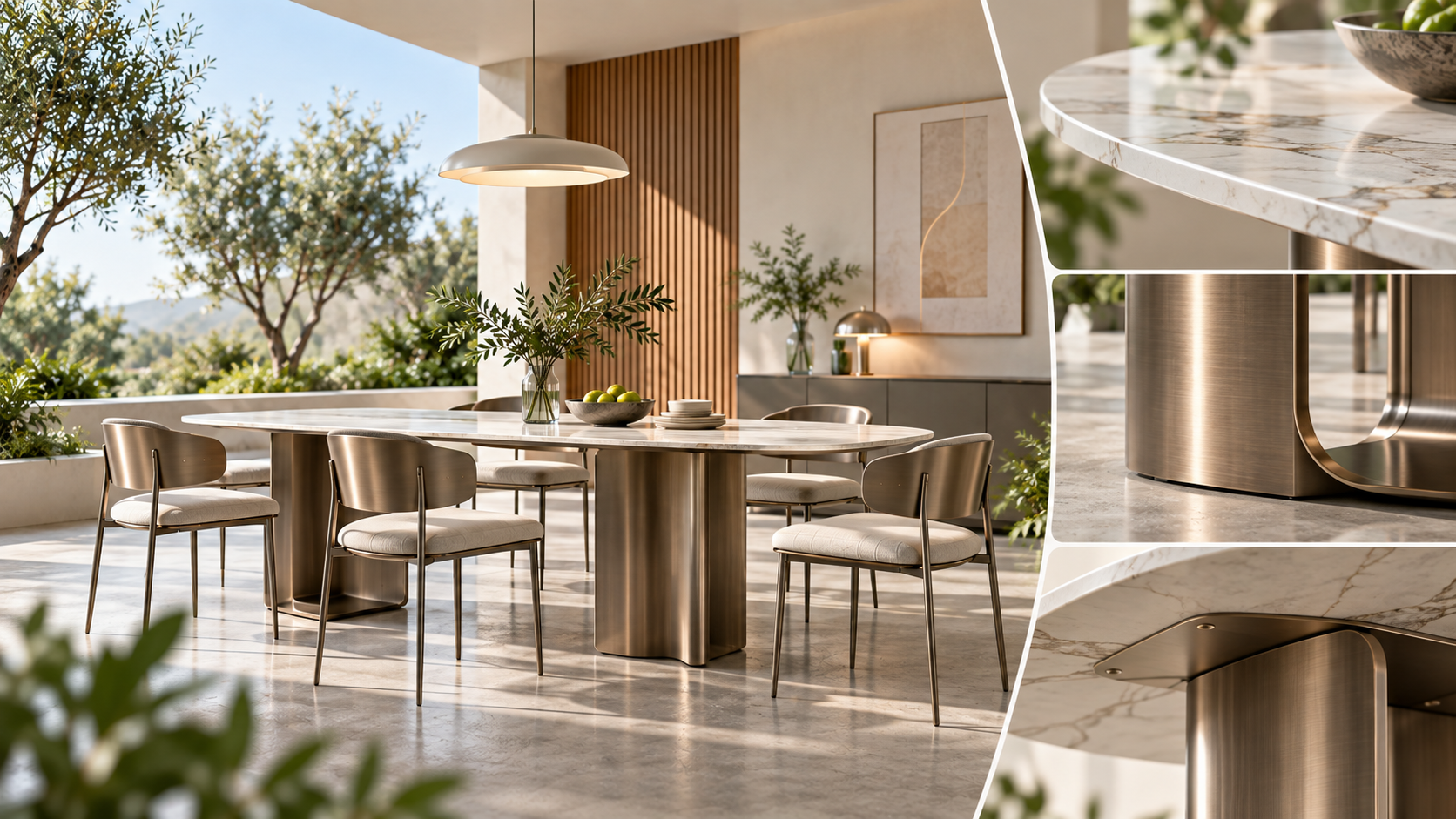
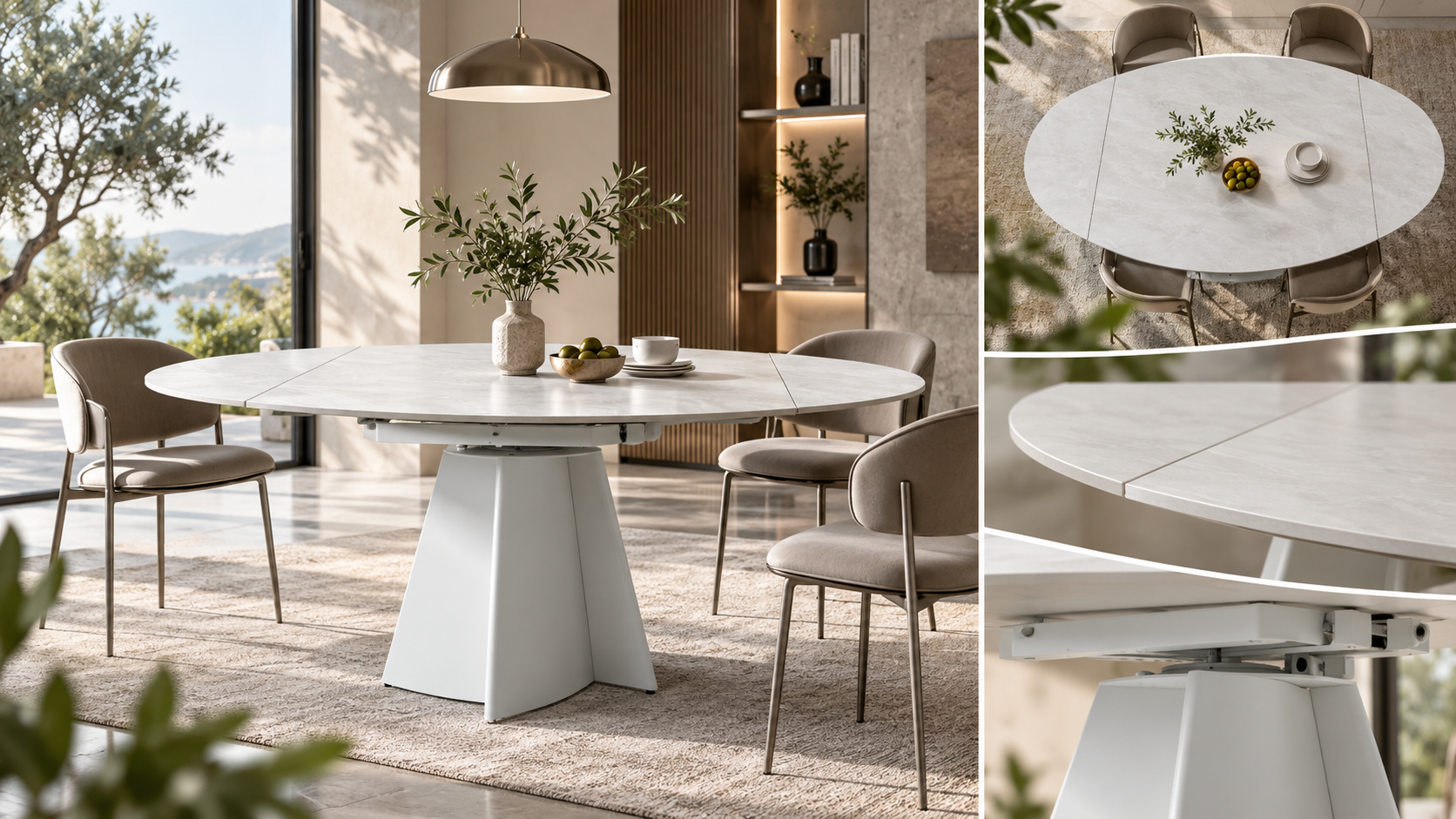
Biophilic dining room

A dining space that exemplifies biophilic design with natural materials and living elements.

4. Natural Light and Views

Maximizing natural light and outdoor views is crucial. Large windows, skylights, and glass doors blur the boundaries between indoor and outdoor spaces. When natural views aren't available, nature photography and artwork can provide visual connections to the outdoors.

5. Organic Shapes and Patterns

Nature rarely creates straight lines or perfect symmetry. Incorporating curved furniture, flowing patterns, and organic shapes mimics natural forms and creates more comfortable, welcoming spaces. Fractal patterns found in nature can be replicated in textiles, wallpapers, and architectural details.

Implementing Biophilic Design in Different Spaces

Living Rooms

The living room offers numerous opportunities for biophilic integration:

  • Choose furniture with natural wood grains and organic curves
  • Create plant groupings at varying heights
  • Use natural fiber rugs and textiles
  • Install a living wall or large statement plants
  • Incorporate natural stone accents

Bedrooms

Biophilic bedrooms promote better sleep and relaxation:

  • Use natural, breathable bedding materials like organic cotton and linen
  • Include air-purifying plants that release oxygen at night
  • Choose warm, earth-tone color palettes
  • Maximize natural light during the day while ensuring darkness at night

Home Offices

Biophilic home offices boost productivity and reduce stress:

  • Position desks near windows with nature views
  • Include plants that improve air quality and mental clarity
  • Use natural materials for desk surfaces and storage
  • Incorporate nature sounds or water features for acoustic comfort
Biophilic home office

A productive home office space enhanced by biophilic design principles.

Challenges and Solutions

Maintenance Concerns

Many people worry about the upkeep of living elements. The solution lies in choosing low-maintenance plants and designing systems that support easy care. Self-watering planters, drought-resistant species, and professional maintenance services can address these concerns.

Urban Limitations

Limited outdoor access in urban environments can be overcome through creative solutions like rooftop gardens, indoor trees, and high-quality nature imagery. Even small apartments can benefit from biophilic principles through careful plant selection and natural material choices.

Budget Considerations

Biophilic design doesn't require expensive renovations. Simple additions like plants, natural textiles, and nature-inspired artwork can transform a space affordably. Investing in key pieces like a natural wood dining table or stone accent wall provides long-term value and impact.

The Future of Biophilic Design

As our understanding of the human-nature connection deepens, biophilic design continues to evolve. Emerging trends include:

  • Smart biophilic systems: Technology that monitors plant health and adjusts lighting automatically
  • Biomimetic materials: Synthetic materials that replicate natural textures and properties
  • Circadian lighting: LED systems that mimic natural light patterns throughout the day
  • Acoustic biophilia: Sound systems that reproduce natural soundscapes
"The future of interior design lies in creating spaces that nurture both our aesthetic sensibilities and our biological needs. Biophilic design offers a path toward healthier, more sustainable living." - Sarah Mitchell, Netway Home

Getting Started with Biophilic Design

Transforming your space with biophilic principles doesn't happen overnight, but every small step makes a difference. Start with these simple changes:

  1. Add one or two plants to each room, choosing species appropriate for the light conditions
  2. Replace synthetic materials with natural alternatives where possible
  3. Maximize natural light by removing heavy window treatments
  4. Incorporate nature-inspired colors and patterns
  5. Create outdoor connections through balcony gardens or window boxes

Remember, biophilic design is about creating a personal connection to nature that enhances your daily life. The most successful implementations are those that reflect your individual relationship with the natural world while supporting your lifestyle and well-being.

Biophilic design transformation

The transformative power of biophilic design in creating healthier, more beautiful living spaces.

As we continue to navigate an increasingly digital world, the importance of maintaining our connection to nature becomes ever more critical. Biophilic design offers a practical, beautiful solution that enhances our homes while supporting our fundamental human needs. Whether you're planning a complete renovation or simply looking to refresh your space, incorporating biophilic principles can create environments that truly nurture both body and soul.

Share this article:
Sarah Mitchell

Sarah Mitchell

Senior Interior Designer

Sarah is a certified biophilic design specialist with over 12 years of experience creating nature-inspired interiors. She leads Netway Home's sustainable design initiatives and has been featured in Architectural Digest and Interior Design Magazine.

Newsletter

Get the latest design insights and biophilic trends delivered to your inbox.

Related Articles

View All Articles
Sustainable Materials
Sustainability

January 12, 2025

Sustainable Materials in Modern Furniture Design

Explore how eco-friendly materials are revolutionizing furniture manufacturing while maintaining style and durability.

Read More
Small Space Design
Tips & Guides

January 10, 2025

Maximizing Small Spaces with Smart Furniture

Discover innovative furniture solutions that make the most of limited space without compromising on style.

Read More
Color Psychology
Design Trends

January 8, 2025

The Psychology of Color in Interior Design

Learn how different colors affect mood and behavior, and how to use this knowledge in your home design.

Read More

Comments

Leave a Comment

12 Comments

Emily Chen

Emily Chen

2 days ago

This article perfectly captures why I've been drawn to biophilic design! We recently incorporated a living wall in our dining room and the difference in air quality and overall ambiance is remarkable. The tips about low-maintenance plants are especially helpful for busy professionals like myself.

Michael Rodriguez

Michael Rodriguez

3 days ago

As an architect, I appreciate how thoroughly this article explains the science behind biophilic design. The research citations add credibility, and the practical implementation tips are gold. I'm definitely sharing this with my clients who are hesitant about incorporating natural elements.

Sarah Mitchell
Sarah Mitchell
Author 2 days ago

Thank you, Michael! I'm glad you found the research helpful. Feel free to reach out if you need any specific resources for your client presentations.

Jessica Thompson

Jessica Thompson

4 days ago

I love the budget-friendly suggestions! Not everyone can afford a complete renovation, so the idea of starting with plants and natural textiles is perfect. My apartment already feels more peaceful after adding just three plants and switching to linen curtains.